Routines and USS Jeannette
Contents
Halfway reading through the book In the Kingdom of Ice - Kindle Edition came to realize once again how useful guiding practice of creating routines and following through. The story of the crew on this ship stuck on ice for over years, keeping things running day in day out in close headquarters is pretty impressive. This is accomplished by the routine activities they have performed and kept each others' company. On the flip side once can argue that these routines make everyday feel the same and it actually does, but having a daily task plan keeps things running.
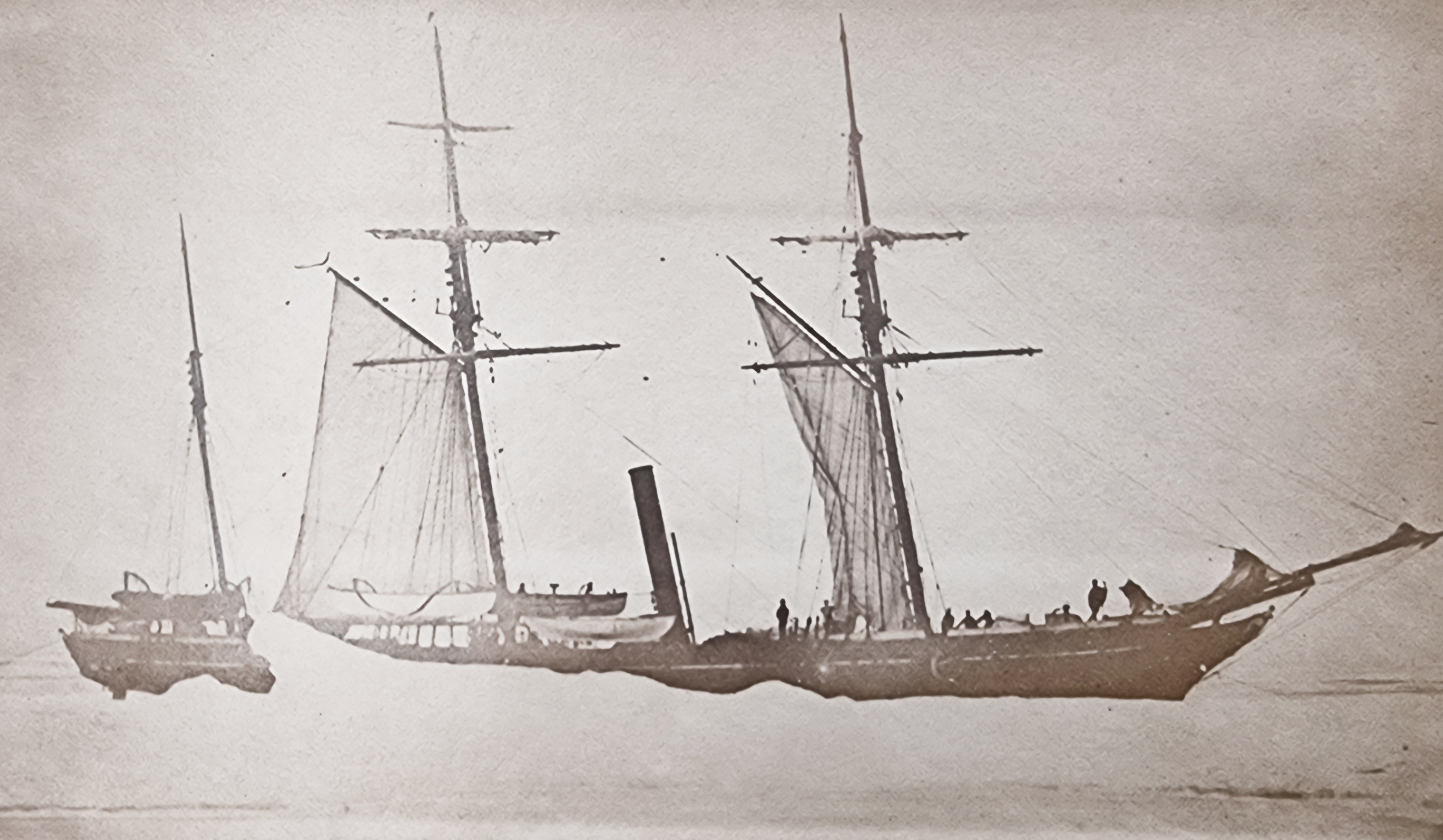
The naval ship USS Jeannette was an exploration ship which was set out to make it to North Pole. Unfortunately the ship gets stuck on the ice with its 33 member crew and spends over two years stuck in the ice. In the early summer of 1881, there was a break in the ice and the ship was about to be released. However due to stresses caused by ice and other leaks around its hull, it starts listing and the crew abandons the ship.
The narration of the book is very fluid and the author has a detailed way of building the story, including the ship's captain George De Long, the funder of the ship, Gordon Bennett and other crew members are all detailed - easy to visualize and relate to. I have just crossed the half way point into the story, but when I started the book I didn't know the story was a true one, but then realized with the detailed depictions and consistent timelines made it very obvious, it was. Decided to look up.
What got me search for the book half way through and kind of ruining the ending (and I won't do it for you here), is the mention of the name Tapkan which is my last name hence the name of this blog site.
In the story, there is a second ship named Corwin heads out to Siberia to search for USS Jeannette and its crew. At its visit in Siberia, the Corwin's captain Hopper checks into a village of Tapkan with twenty huts spread along a sand bar. The people of this village helps out the Corwin by providing with guides and their dogs. Later on they will make contact with walrus hunters who had briefly boarded USS Jeannette on her way to north.
Honestly I don't know much about my family name as the tradition in Turkey does not go very back with easily searchable roots (at least to my knowledge), but there is a usage of in Hindu language which does not relate, but if we break the words in Turkish, "tap(mak)" means "to pray /worship" and "kan" means "blood". Perhaps it is for people who worships blood. Yikes, if that is the case, I am not one of them as I could barely stand the sight of a real blood and gets me nauseated.
What is also interesting that the Siberian (Yakutsk) region has Turkic heritage. The people there were speaking Turkic.
The below is from Hampton Sides article's Q&A:
Q: The explorers were helped greatly by the Yakut people. Give us a quick anthropological overview of these Siberian natives.
A: This is a tribe that is often mistaken for being related to the Eskimos. But they aren't. They look very much like Mongols. But they speak a language that is Turkic—they can be understood in Istanbul! But they've lived for a long, long time in this part of Siberia. I think they've always enjoyed being away from the tsar, from Moscow and St. Petersburg. They have their own little inland empire in the Lena Delta. And they played a huge role in saving these guys. There's one particularly touching moment where a Yakut woman washes Melville's frostbitten and dirty feet, then coats them with goose grease. It sounds kind of disgusting, but it worked miraculously.
A: These people didn't have to help at all. They probably thought: "Who are these guys who've come from the north? They must be either criminals or exiles." In some cases they thought they were from another world, that they'd literally come from beneath the ice. And yet when they saw what desperate straits the Americans were in, they really gave of themselves and embraced them.
Amazing story which I haven't gotten too far in yet. As far as the routines go, after trials and tribulations I have been using Obsidian as my daily note taking and organizing platform. This is an open source and flat file/folder structure, not being locked into a proprietary format, and not paying for cloud storage, but just use Syncthing to share the Obsidian vault and other daily file / folder data amongst the half dozen workstations / laptops in my LAN. It has been working pretty good and Syncthing works great on MacOS, Windows, and MacOS as does Obsidian. Thanks for the developers who made them available. You can tell they are being used and polished over time.
A few routine tasks I set out to do in a given day are walking the dogs 40 - 50 minutes, practice language learning 15-20 minutes, meditation 10 - 20 minutes, practicing guitar 15-20 minutes, and do either cycling or running along with some weight training. If I could do them early in a day, I am happy and keep the logs in Obsidian.
Alright, back to the book. Cheers to a fulfilling life!
Part - II
Finished the book on Saturday morning, February 14, 2026. Somber ending as you might imagine, Emma wrote letters to George De Long, which have never been received. And the servitude and courage shown by the engineer Melville was something else. They have helped others who followed their paths and set the course.
Gordon Bennett read like a tycoon of their day, perhaps similar to Elon Musk, Jeff Bezos and alike. History can still repeat itself with our new space ventures as it did 100+ years with the polar expedition. Great story with future lessons.